
Blog
Our Blogs
Construction Insights & Engineering Reports
Expert insights, industry observations, and practical guidance designed to help clients make informed construction and engineering decisions, avoid costly mistakes, and understand what truly matters during the build process.
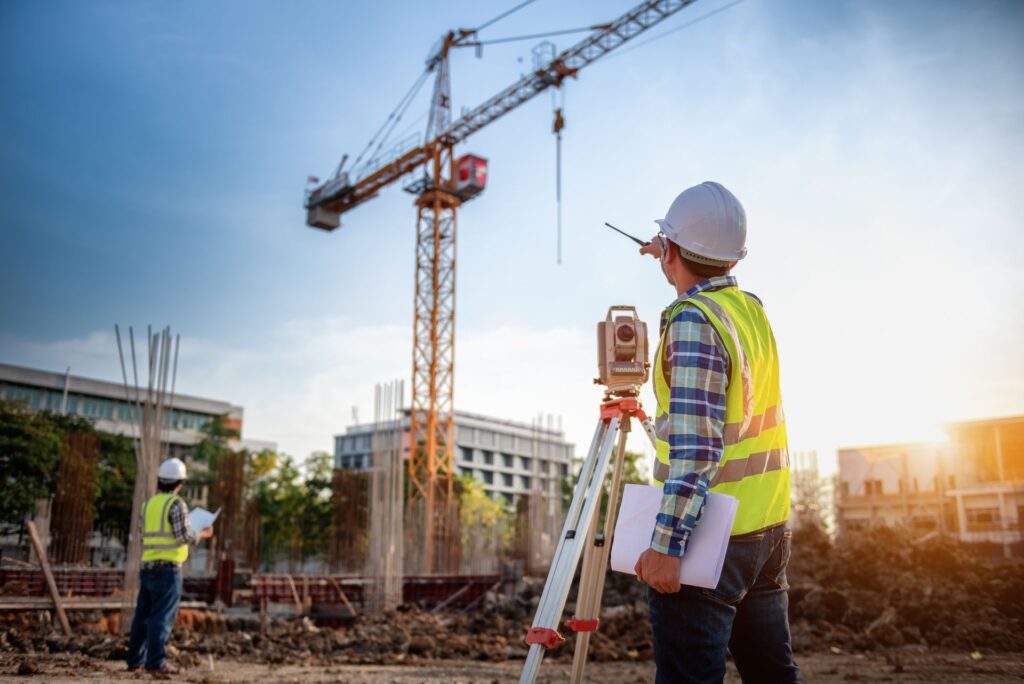
In many construction markets, relying solely on the contractor for quality assurance is increasingly risky. Independent supervision introduces accountability and technical objectivity into the build process. It ensures that what is designed on paper is faithfully executed on site.
Professional supervisors monitor foundation works, reinforcement placement, concrete quality, and dimensional accuracy. They also verify that damp-proofing, drainage, and load-balancing measures are properly implemented. This level of scrutiny significantly reduces the likelihood of hidden defects that could compromise the building later.
For clients managing projects from abroad, independent supervision is especially valuable. Through structured reporting, video updates, and documented inspections, owners maintain full visibility of progress. This reduces reliance on informal intermediaries and minimizes the risk of miscommunication or mismanagement.
Independent supervision ultimately creates a culture of precision and accountability on site. Builders work more carefully, defects are caught early, and clients gain confidence in the final product. The modest cost of professional oversight often saves substantial amounts in avoided rework and long-term repairs.

Across the African continent, rapid urbanization and economic growth are driving strong demand for housing and infrastructure. This creates significant opportunities for investors and diaspora homeowners. However, the fast pace of development also increases the importance of proper engineering governance and project oversight.
Construction environments in emerging markets can present challenges such as inconsistent material supply, variable workmanship standards, and limited regulatory enforcement. Clients who are not locally present are particularly exposed to cost inflation and quality deviations if projects are not independently monitored.
Engaging qualified consultants to review designs, verify quantities, and supervise construction dramatically reduces project uncertainty. Local price verification and soil-specific foundation assessment are especially important in diverse geographic conditions. Structured reporting keeps stakeholders aligned and informed throughout the build.
With the right technical partner, building in Africa can be both rewarding and secure. Proper planning, transparent cost control, and rigorous supervision allow investors and homeowners to fully benefit from the continent’s growth while protecting their capital and ensuring high-quality, resilient structures.
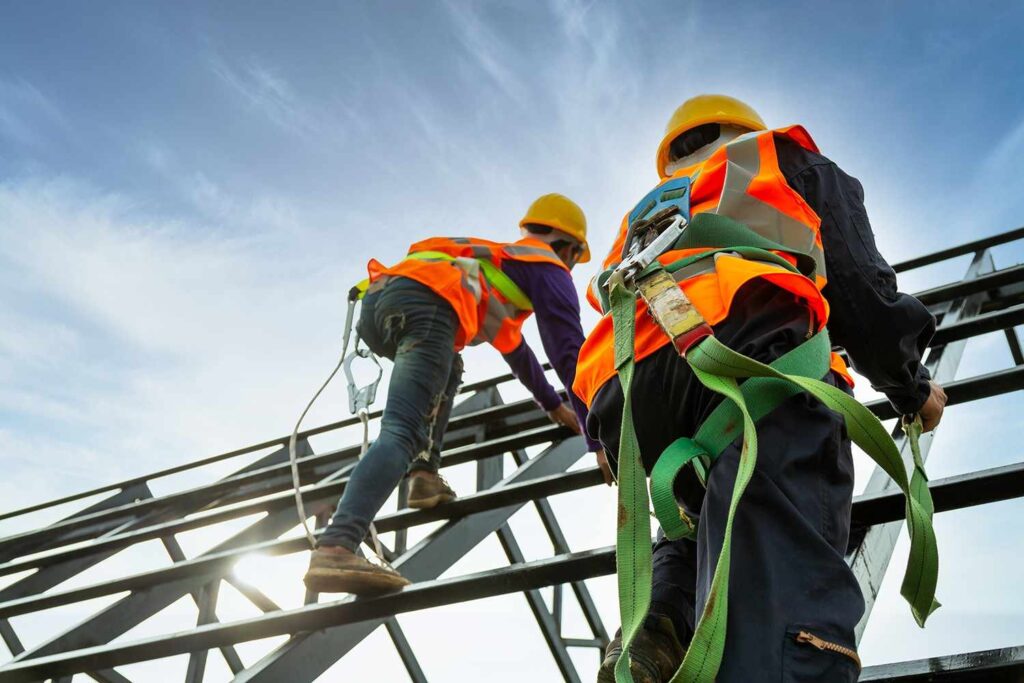
Infrastructure projects often appear straightforward at the planning stage, but hidden risks frequently emerge during execution. Poor site analysis, inaccurate load calculations, and unrealistic budgeting can quickly derail even well-intentioned developments. Many property owners rely heavily on contractors without independent verification, which increases exposure to costly errors and structural weaknesses. Without proper oversight, small planning oversights can evolve into major financial and safety problems.
One of the most common issues in infrastructure planning is the disconnect between design intent and on-site execution. Builders may substitute materials, alter dimensions, or skip critical processes to save time or increase margins. In many emerging markets, clients living abroad are particularly vulnerable because they cannot physically monitor progress. This lack of transparency often leads to inflated material quantities, compromised structural integrity, and long-term maintenance issues.
Effective infrastructure delivery requires independent technical review at every stage. Professional consultancy ensures that soil conditions are properly assessed, structural calculations are verified, and quantities are accurately measured. Regular site inspections—supported by photo and video reporting—help detect deviations early, when corrections are still affordable. Price verification through local market checks also prevents procurement inflation and financial leakage.
When planning is handled professionally, infrastructure projects become predictable, cost-efficient, and structurally sound. Independent experts bring clarity, accountability, and technical rigor to the entire process. With the right partner overseeing design validation, material quantification, and build supervision, clients can move forward confidently, knowing their project is engineered for durability, safety, and long-term value.
